MRI Imaging Probes and Contrast Agents
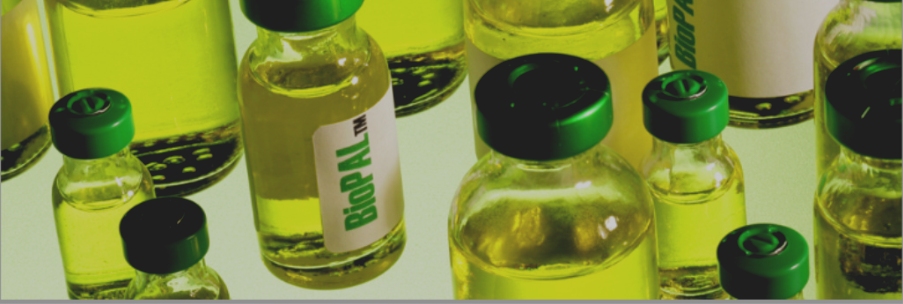
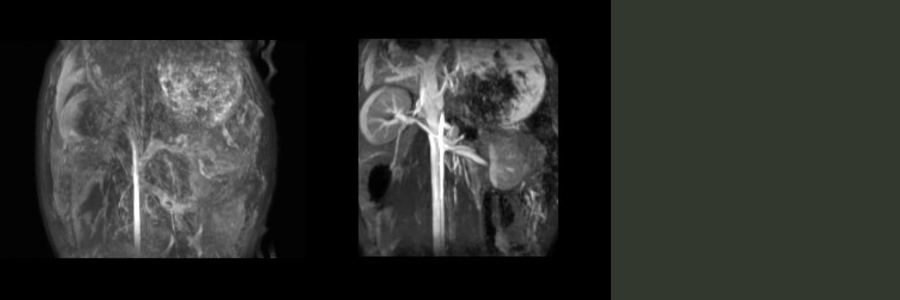
BioPAL is a leading provider of novel MRI imaging probes and contrast agents directed toward the needs of the life science, research community. We offer a wide range of gadolinium-based (T1 imaging agent) and iron-based (T2 imaging agent) MRI contrast reagents for preclinical applications.
BioPAL is also developing products for other imaging systems, such as near infrared, nuclear imaging and CT. Commercialized products are listed below.
FOR RESEARCH USE ONLY.
NOT FOR USE IN DIAGNOSTIC PROCEDURES.
Preclinical imaging probes and nanoprobes for magnetic resonance imaging (MIR) imaging.
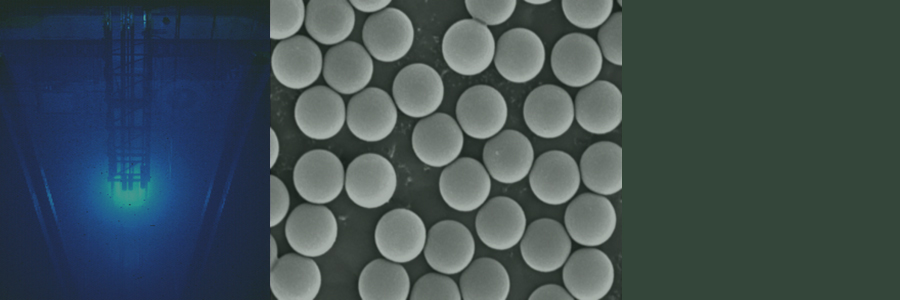
MRI imaging agents and probes for sale. We offer gadolinium imaging agents and iron USPIO or SPIO or superparamagnetic particles for magnetic resonance imaging (MRI).
To obtain a comprehensive price list of all BioPAL's MRI imaging products, download the PDF file.
BioPAL sells MRI imaging agents and probes, both gadolinium imaging agents and iron nanoparticles for cell labeling and tracking and for mr imaging (MRI).
BioPAL, Inc. • 80 Webster Street Worcester, MA 01603 • TEL: 508-770-1190 • FAX: 508-770-1191 • e-mail: cs@BioPAL.com
© copyright 2013 • All Rights Reserved